How to Check a Craigslist Contact Before You Meet
Quick answer: Most Craigslist contacts give you almost nothing to check, often just a relay email and a first name that lead nowhere on a search. Squeeze value from any real detail you do get, like a phone number, a non-relay email, or listing photos you can reverse image search, and read the conversation for tells like deposit pressure, urgency, or a fast move off-platform. When you can't verify the person, verify the situation instead: a busy public spot in daylight, a friend who knows your plan, and the exit you are always allowed to take.
You're replying to a listing and all you've got is a relay email and a first name that may or may not be real. That's the honest starting point for most Craigslist exchanges, and it's worth naming out loud: you are often trying to "check" someone who has given you almost nothing to check. The trick isn't to force a background picture that doesn't exist — it's to squeeze value out of the few real details you get, and to lean on habits that keep you safe regardless.
Why there's usually so little to find
Craigslist is built around anonymity. Contact is frequently an anonymized relay address; there's no profile, no photo, no history, no reviews. A first name and a burner email lead nowhere on a search. This is deliberate, and it means the "vet the person" step is genuinely limited. Accepting that up front is what keeps you from mistaking a blank result for reassurance — because the people most worth worrying about are the ones who share nothing at all.
What can actually give you a thread to pull
Sometimes a contact hands you more than they realize. Look for a real detail you can work with:
- A phone number. Punch it into a search engine — a number tied to a business, a name, or a matching listing is a small point of confirmation.
- A real name or an email that isn't the relay. If they switch you to a personal address or drop a full name, that can be searchable.
- Listing photos. A reverse image search can reveal a picture lifted from elsewhere — a classic sign of a scam post.
- Consistency across the thread. Do the name, number, and story stay the same, or drift each message?
Even with a lead, expect thin results. And a name common enough to return a thousand matches tells you nothing about the specific person you're meeting.
Read the conversation, not just the profile
Because the profile barely exists, the chat becomes your best instrument. Scams and bad actors have tells that don't require any research to spot:
- Refusing to talk by phone or meet in public.
- Pressure to pay a deposit, wire money, or use gift cards before meeting.
- A price too good to be true, paired with urgency.
- Moving you off-platform fast to a channel with no record.
None of these need a search to catch. They just need you to slow down and notice.
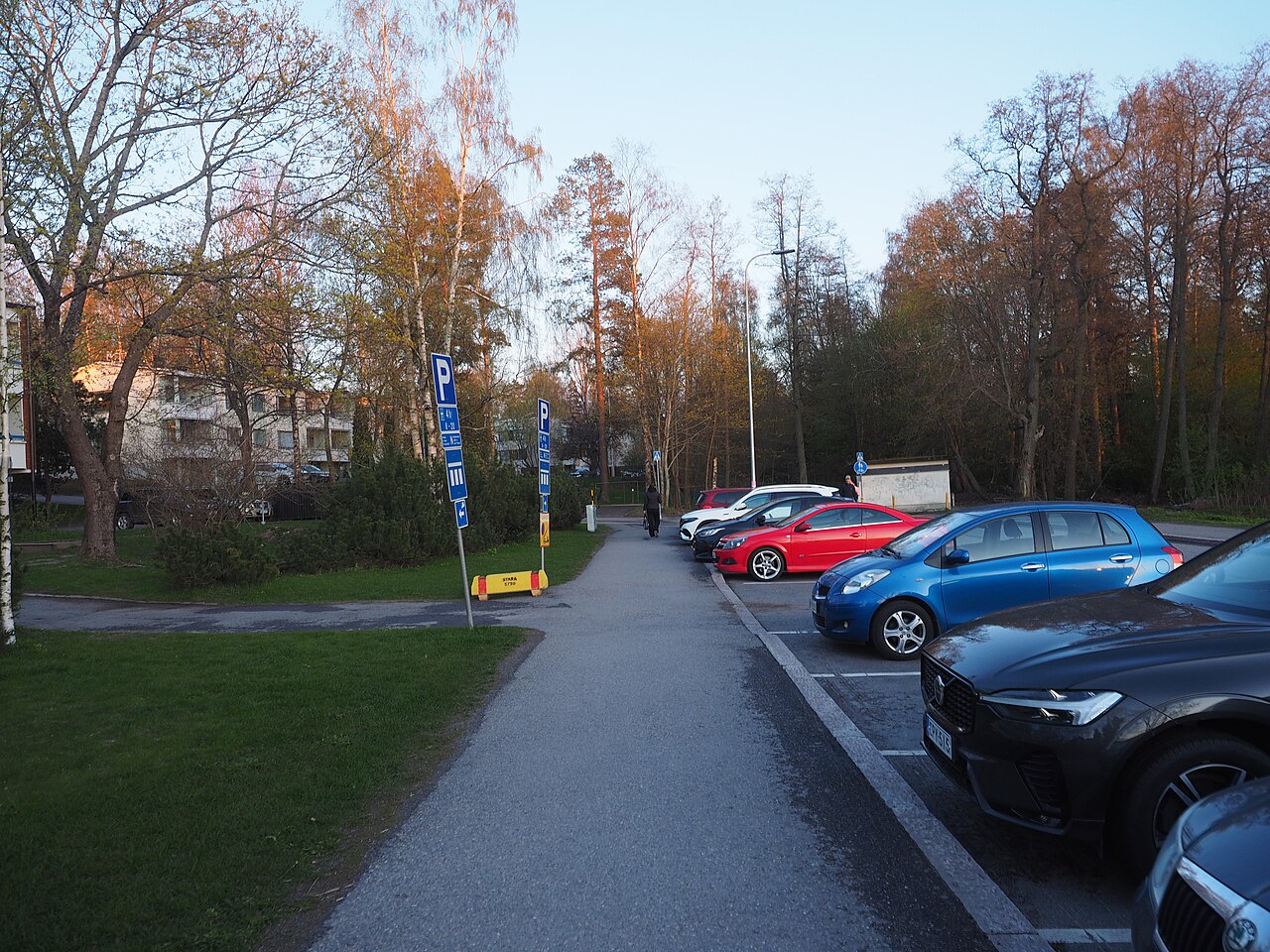
When you can't verify the person, you verify the situation instead — public place, daytime, someone who knows where you are.
Rather read the posts than guess? ACCOUNTability! scans thousands of someone's public posts across X, TikTok, Instagram, Facebook and LinkedIn and flags extremist, hateful and conspiracy content — with the actual posts as receipts.
Run a scanThe meetup checklist that actually protects you
- Meet in a busy, public spot in daylight — a police-station exchange zone if one's nearby. Never a first meet at your home or theirs.
- Tell a friend the plan: where, when, the listing, and any name or number you have. Better yet, bring them.
- Keep cash minimal and payments traceable. Be deeply skeptical of any request to pay before you've seen the item in person.
- Inspect before money changes hands. Real seller, real item, in front of you.
- Keep your phone charged and reachable, and don't share your home address until you've decided you trust the meet.
- Honor the bad feeling. If anything is off, walk. You owe an anonymous contact absolutely nothing.
If the trail happens to lead to a real profile
Now and then a contact links you to an established public account — they mention a business, or move the chat to a named social profile. In that narrow case you can do a genuine personal-safety read: not "are they pleasant," but "is there open hostility, threats, or extremist content in what they've made public?" That's a fair thing to weigh before meeting a real, identifiable person in the flesh. But treat it as the exception. Most Craigslist contacts never become identifiable enough for this to be possible.
Honest limits
The core truth of this one: many Craigslist contacts simply cannot be checked, because they've shared nothing to check — and no tool invents public information that isn't there. Any online read only covers public posts and only reflects what someone actually posted; a person with no findable profile leaves you with nothing, and a clean result means "nothing public stands out," not "this person is safe." It's AI handing you receipts to judge, so a dry joke can misfire and the final call is yours. Your real safety here doesn't come from the search — it comes from the public meetup, the friend who knows your plan, the daylight, and the exit you're always allowed to take.
Key takeaways
- Craigslist is built around anonymity, so accept up front that the "vet the person" step is genuinely limited, and don't mistake a blank result for reassurance.
- A phone number, a real name, or listing photos can occasionally give you a thread to pull, but expect thin results.
- The chat is your best instrument: refusing to meet in public, deposit or gift-card pressure, a too-good price with urgency, or a fast move off-platform.
- If a contact links to a real, established profile, you can do a genuine safety read for open hostility, threats, or extremist content, but treat it as the exception.
- Honest limit: many contacts simply can't be checked, so your real safety is the public meetup, the friend who knows your plan, the daylight, and your willingness to walk.
Common questions
How do I check a Craigslist contact when all I have is an email?
Usually you cannot check the person much at all, because a relay address and a first name lead nowhere on a search. Squeeze value from any real detail you do get, like a phone number, a non-relay email, or listing photos you can reverse image search. Accepting how little there is up front keeps you from mistaking a blank result for reassurance.
What are the warning signs in a Craigslist conversation?
The chat is your best instrument, and the tells do not need any research to spot: refusing to talk by phone or meet in public, pressure to pay a deposit or use gift cards before meeting, a price too good to be true paired with urgency, and moving you off-platform fast. None of these require a search, they just need you to slow down and notice. When you cannot verify the person, verify the situation instead.
What if the contact links to a real social profile?
Now and then a contact mentions a business or moves to a named account, and in that narrow case you can do a genuine personal-safety read for open hostility, threats, or extremist content. A tool such as ACCOUNTability! can flag those red flags in public posts and show the receipts, but treat it as the exception, since most Craigslist contacts never become identifiable enough. Your real safety comes from the public meetup, the friend who knows your plan, daylight, and the exit you are always allowed to take.
Don't want to do all this by hand?
ACCOUNTability! reads thousands of a person's public posts across X, TikTok, Instagram, Facebook and LinkedIn and flags extremist content, hate speech, transphobia and conspiracy stuff — each flag shows the actual post so you can judge it yourself. There are tools that do this for companies; as far as we know, nothing built for regular people. $3 a scan, no sales call.
Run a scan