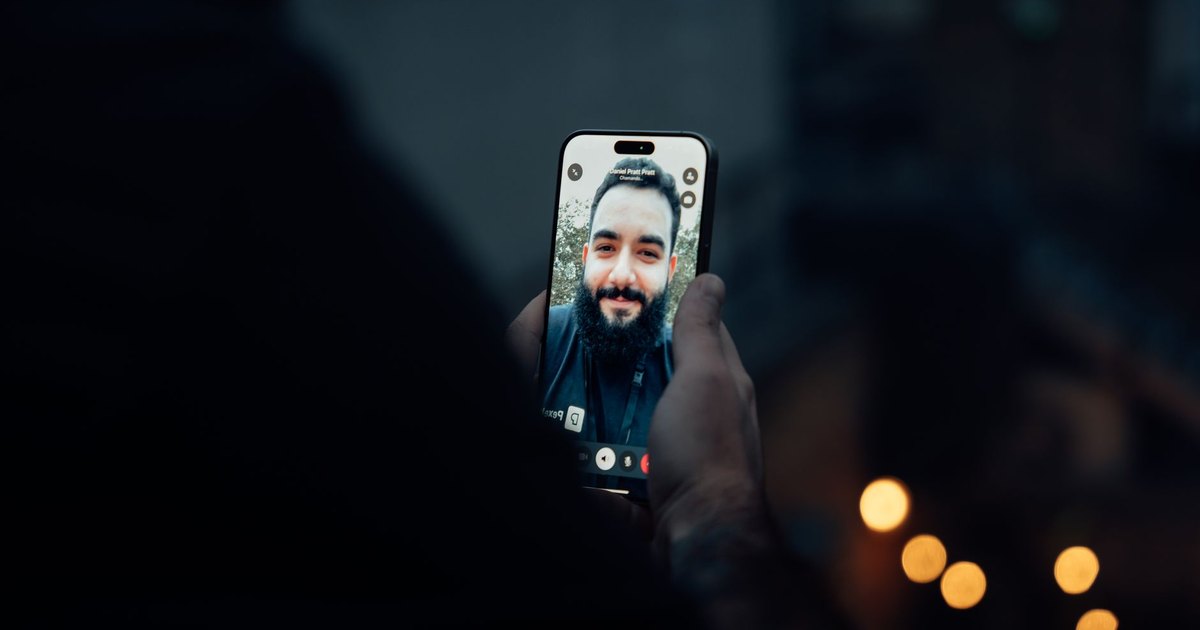
How to Check Someone's TikTok Before You Trust Them
Quick answer: Go to the person's actual profile, not the clip the app served you. On TikTok the meaning is in the video, so watch with sound and captions on, then read the stitches, the duets and the comments they leave under other people's videos - the places nobody bothers to polish. Look for a pattern instead of one bad video: hate aimed at a group, extremist or conspiracy content, the same scorn resurfacing month after month. Watch what sounds and creators they boost, not only what they film. If the account is private you will see little, and a long feed of video eats an evening, so a scan can read their public posts and hand you the flags with the clip attached. Either way it is a personal read of public posts, not a background check, and a clean result means nothing public stood out, not that the person is safe.
TikTok never shows you a person straight. It shows you a feed the app has stitched together to keep your thumb moving, built from whatever it has worked out about you. Land on someone's own profile, though, and the editing stops. What is left is the run of videos they chose to make and post, in the order they posted them - a much better place to weigh up a stranger than the one clip that happened to surface on your For You page.
The stakes climb quietly. A funny account becomes a person you message, then someone you plan to meet, then a face you have let into your week. Before you hand a new person that kind of trust - a first date, a spare room, a spot in your kid's carpool chain - a few minutes on their profile is fair. Not surveillance. Just checking whether the person who charmed you in the comments is the same one who posts when they think only their own crowd is watching. Here is how to check someone's TikTok before you trust them, without losing a night to the scroll.
Why the For You page hides more than it shows
An algorithm is not a character witness. It hands you the clips most likely to hold your attention, which is a different job from telling you who made them. A single video can be a bit, a trend everyone jumped on, a thing a friend sent that the app then decided to feed you more of. On its own it means almost nothing. The signal is the whole profile read together: what someone films week after week, which arguments they wade into with a stitch, the audio they reach for when they want to say something without typing it.
You are not building a dossier. You are checking one thing - whether the public record clashes hard with the person you think you have met. Usually it does not, and you close the app a little more relaxed than you opened it. Now and then it does, and ten minutes of watching just saved you a mess you would otherwise have found out about the slow way.
How to check someone's TikTok before you trust them
The by-hand version is easy, only slightly tedious. Go in this order and you will not sink twenty minutes into a feed that turns out to belong to the wrong person.
- Confirm you have the right account first, since handle-squatting and copycat profiles are everywhere, so make sure it is really them before you read anything into it.
- Watch their own videos with the sound and captions on, because on TikTok the message usually lives in the audio and the on-screen text, not a written caption.
- Read their stitches and duets, where a person reacts to someone else and tends to be blunter than they would be posting cold.
- Scroll the comments they leave on other accounts and the replies under their videos, the spot where the performance slips.
- Notice the sounds, hashtags and creators they boost, because on TikTok an audio or a follow can carry a whole worldview.
- If the account is private or the feed runs long, run a scan that reads their public posts across networks and hands you the flags with the receipts.
The order earns its keep. Do the look early, while it is still curiosity and not a verdict on someone you already like. Walking away from a match in week one is easy; unpicking a friendship in month four, once you finally watch the feed you skipped, is not.
Watching months of a stranger's videos, stitches and comment scraps by hand is a slog, and the worst posts tend to sit deepest. ACCOUNTability! reads thousands of a person's public posts across X, TikTok, Instagram, Facebook and LinkedIn and flags extremist, hateful and conspiracy content - each flag shows the actual post so the call stays yours. $3.
Read their public posts firstThe TikTok red flags that actually matter
Not every ugly video is a warning. The ones that carry weight are the ones that predict how a person behaves once you stop being new and interesting. Hate speech aimed at a group. Extremist or violent talk that is clearly not a joke. Conspiracy content delivered with a straight face as fact. The same worldview turning up in a video in spring, a stitch in summer, a boosted sound in autumn. That repetition is the tell. One bad post is human; a pattern is a person showing you who they are.
This is not some rare problem, which is part of why a quick look is sensible rather than paranoid. About 56% of Americans say they have experienced online hate or harassment in their lifetime (ADL, 2024) - and the people doing it post like everyone else. Reading someone's own feed is just looking at the record they built with their own hands.
Still, give context its due. A reclaimed slur used inside a community, deadpan irony, a stitch that quotes something vile in order to tear it apart - each can look damning once the surrounding video is stripped away. So hold yourself to the standard you would want a tool held to: judge the whole clip, not a caption someone slapped on it. Weak evidence is one edgy video from years back. Strong evidence is a steady beat you could show a level-headed friend and watch them wince.
What reading public posts cannot tell you
Be honest about the ceiling. This reads public posts only - a private account, direct messages and anything already deleted stay out of reach, and plenty of TikTok accounts are locked down. It only works on people who actually post; a near-empty profile gives you next to nothing, and that quiet is not a clean bill of health. And whether you watch by hand or let software surface the flags, an automated read is a starting point with the receipts attached, not a verdict - it can misread tone, which is exactly why it puts the post in front of you.
Keep the framing straight, too. Reading what someone chose to make public is personal due diligence, not a background check or a consumer report. It has no business inside a hiring, tenancy or credit decision - use a licensed provider for those, and keep it to adults. A clean result means nothing in their public posts stood out. It does not mean the person is safe, and it never pretends to.
Key takeaways
- Judge the profile, not the clip the app fed you - one video out of context tells you almost nothing about who made it.
- The message on TikTok lives in the audio, the on-screen text and the stitches, so watch with sound and captions on, not just the visuals.
- Read for patterns: hate, extremism and conspiracy content repeated across videos and boosts beat one stray edgy post.
- Context can flip how a clip reads, so watch the whole thing - irony and reclaimed language can false-positive.
- A read of public posts is not a background check; a clean result means nothing public stood out, not that the person is safe.
Common questions
How do you check someone's TikTok before you trust them?
Go to their actual profile instead of judging the clip that reached you. Watch their own videos with the sound and captions on, since the message on TikTok usually lives in the audio and the on-screen text, then read the stitches, the duets and the comments they leave elsewhere. Look for a pattern rather than one edgy video: hate aimed at a group, extremist or conspiracy content, the same contempt coming back month after month. If the account is private you will see almost nothing, and a long feed of video takes real time to watch, so a scan can read their public posts and hand you the flags with the post attached.
What are the TikTok red flags worth taking seriously?
The ones that predict how a person treats other people once you are no longer new to them: hate speech aimed at a group, extremist or violent talk that is plainly not a bit, and conspiracy content delivered as plain fact. A single dumb video from years ago is weak evidence. The same worldview showing up in their videos, their stitches and the sounds and creators they boost, again and again, is the pattern worth trusting. Context still matters, so watch the whole clip, because irony and reclaimed language can read worse than they are.
Is checking someone's public TikTok a background check?
No. Reading someone's public TikTok is personal due diligence on what they chose to post, not a background check or consumer report, and it should play no part in a hiring, tenancy or credit decision, where a licensed provider is the right tool. ACCOUNTability! reads thousands of a person's public posts across X, TikTok, Instagram, Facebook and LinkedIn and flags extremist, hateful and conspiracy content for $3, with the actual post as evidence. A clean result means nothing public stood out, not that the person is safe.
Watch the whole feed, not one clip
ACCOUNTability! reads thousands of a person's public posts across X, TikTok, Instagram, Facebook and LinkedIn and flags extremist content, hate speech, transphobia and conspiracy stuff - each flag shows the actual post so you can judge it yourself. There are tools that do this for companies; as far as we know, nothing built for regular people. $3 a scan, no sales call.
Run a scan